

Aviator Guides for Casino Players
Aviator guides sit in one place: 6 of them so far, every one dated and written to the same method. Each page teaches one part of the game inside the free demo, from the control bar to what a bought feature really costs. We write all of them against the same criteria. Learn the rhythm there, then decide whether a real stake is worth it. Written for adults aged 18 or over.
In short: this section holds 6 guides about Aviator, each one dated. Each figure on these guides comes from one ledger: a return of 97% and a win ceiling of Not published by the developer, each quoted as the client prints it. 0 of 6 carry a score out of 10, last checked .
Table of contents
Learning Aviator by Playing
Learning Aviator starts at the controls, not at a rules sheet, because Aviator is a crash game. We wrote each of the 6 pages here at those controls in the free demo, from the opening stake to the closing balance, before real money entered the picture at all.
Demo First, Deposit Later
Spribe runs the free demo, and it opens from the studio's own page with no account and no deposit. The total bet is the only figure you set before a round resolves. So that is the first control a lesson teaches.
- We repeated every step in the free demo before writing it down.
- Each lesson carries a publication date and a link to the reference entry behind its numbers.
- Stake sizes, betting limits, and targets appear as ranges, never as promises.
Where the Numbers Live
Which numbers does a lesson actually need? Percentages belong in a lesson only where they change a decision. According to Spribe, this title publishes more than one return: 97%, 94%, 96% and 98%, depending on how a round is entered, so these guides name which of them applies before quoting a number. Where a third-party catalogue lists a configuration the studio has not published for this title, these guides credit that figure to the catalogue instead of to the studio.
The client states the win ceiling as Not published by the developer, and that is the figure the guides here are written against. So a lesson teaches the mechanics and sends you to the reference desk for the arithmetic. That is where we set the published figures against the game client itself.
Why None Promises a Win
No lesson here promises a win, because nothing on this site explains how to beat a provably fair round, and a page claiming otherwise is running an advertisement. What a lesson can do is remove avoidable mistakes.
Controls Before Tactics
Controls come before tactics for a blunt reason: a player who misreads the control bar loses money faster than a player with a weak plan. So the first job of a lesson is mechanical: which button does what, which figure a control actually changes, and what a losing round looks like on screen.
The Control Bar
You learn the bar in order, in play money: the stake stepper, the bet action, and the cash-out button. Only then does a page move on to cash-out timing, and bankroll limits, all of them shown in demo credits instead of a deposit.
Then the Money Plan
The money plan comes next. Bankroll limits are the part you set inside an operator account: a deposit ceiling, a session timer, and a loss cap. Those tools sit with the casino, which is why the operator pages matter as much as the lessons do.
Signing up unlocks them. Signing up is also the commitment. So the lessons here teach the mechanics in the free demo first, and leave the deposit decision to the operator pages.
How This Section Verifies a Figure
Teaching carries a duty of the same kind. We reproduced every demonstration in these guides inside the free demo before publishing it. What we could not reproduce, we cut, instead of paraphrasing it from somewhere else.
A check date promises one thing only: somebody opened that source on that day. So a correction moves the update date of the page it touches, and we fix the ledger in the same pass. How we test sets out the full method, including how we score and what we refuse to publish.
We are an affiliate publisher. We disclose that beside every sponsored link, and no operator buys a kinder write-up. Local law decides whether you can open an account at all, and the operator enforces its own identity checks, so nothing on these guides is legal advice for any country.
Reading Order: Controls First, Targets Later
Reading order for a new player runs like this: Round walkthrough, Free Demo and Auto cash out rule. The controls page is the foundation the others stand on, and skipping it turns every later page into folklore. Each step below is demonstrated in the Spribe demo, never in a real-money account.
Set a budget, use the free demo to learn the rhythm, and treat the game as paid entertainment carrying real financial risk. The demo balance is play money, though, so the psychology of a real stake will feel different; expect that difference instead of being surprised by it.
Pages most readers open first:
- our review and score
- the free demo, round by round
- the published RTP range
- the casinos we checked
- how the game is actually played
Known Limits of These Aviator Lessons
Aviator lessons here offer mechanics, stake discipline, and a way to think about cost. They do not offer a predictor, a signal service, or a bot, and none of them will tell you when the next round ends, because that outcome is generated after the bet is placed.
Lessons here assume a reader of 18 or older. If play stops feeling like entertainment, the responsible gambling page lists the limit instruments and the helplines that are actually available. The demo client's own menu offers nothing beyond sound and rules, so the responsibility for those instruments sits with the operator and with us.
- No page here claims a first-hand real-money session.
- Availability of the game and of the demo varies by operator, by country, and by region.
Aviator Page Index and Dates
6 guides, none of them carrying a score, published between and .
| Page | Type | Published |
|---|---|---|
| How to Play Aviator: The Round, Step by Step | Guide | |
| Aviator Demo: What 30,000 Play Credits Buy You | Free demo | |
| How to Set Aviator Auto Cash Out Without Losing a Tie | Guide | |
| Aviator Strategy: What the Maths Actually Allows | Tips | |
| Aviator Round History Statistics: Reading the Panels | Free demo | |
| Aviator Free Bets and the Rain Promo in 5 Steps | Steps |
Every number on these guides answers to one ledger, printed in full on the Reference section instead of repeated in each section.
Round Walkthrough
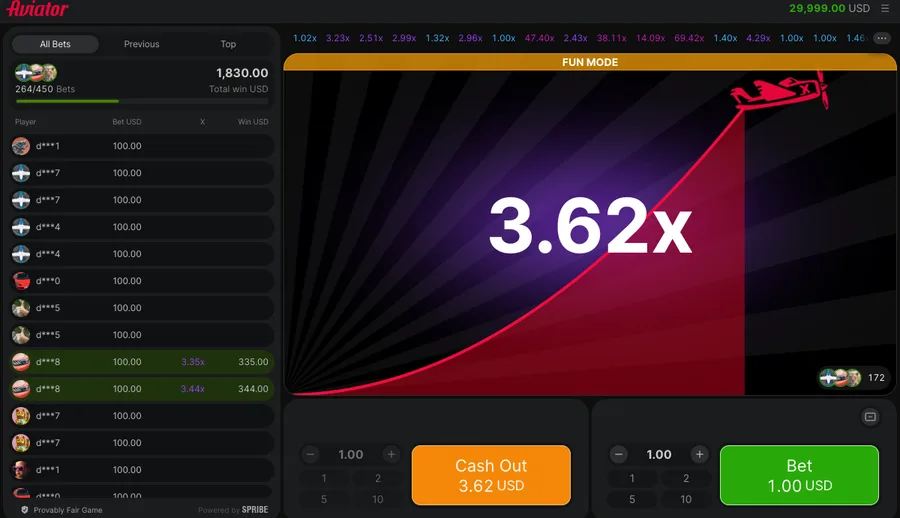
You get one decision per round in Aviator, and it is when to press Cash Out. Filed as a guide page, first published on .
What the Page Settles
The multiplier starts at 1.00x, climbs while the plane is on screen, and pays nothing at all once it leaves.
One stake, one decision, one multiplier that stops without warning. What the official Aviator demo shows on screen, and what its rules screen actually says.
The full working, with its sources, sits on Round walkthrough.
| Field | As recorded |
|---|---|
| Type | Guide |
| Published | |
| Last edit | |
| Read it | Round walkthrough |
Free Demo
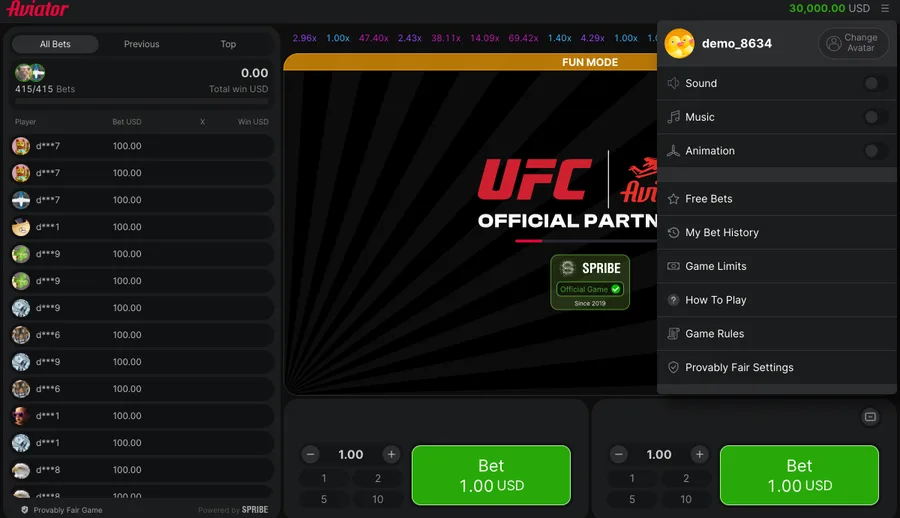
You can open Aviator with no account, no deposit and no email address, and the launcher drops $30,000.00 of play money into the balance before the first round starts. A free demo entry; its last edit is dated .
Where Its Figures Come From
Spribe's official Aviator client runs on 30,000 play credits with no signup.
What the free-play build shows you, and the three things it quietly withholds.
Our game notes, with their sources, are written up on Free Demo.
| Field | As recorded |
|---|---|
| Type | Free demo |
| Published | |
| Last edit | |
| Read it | Free Demo |
Auto Cash Out Rule
You type a number, the game takes the money there, and you stop fighting your own reaction time. This one went up on and is filed under guide.
What We Verified There
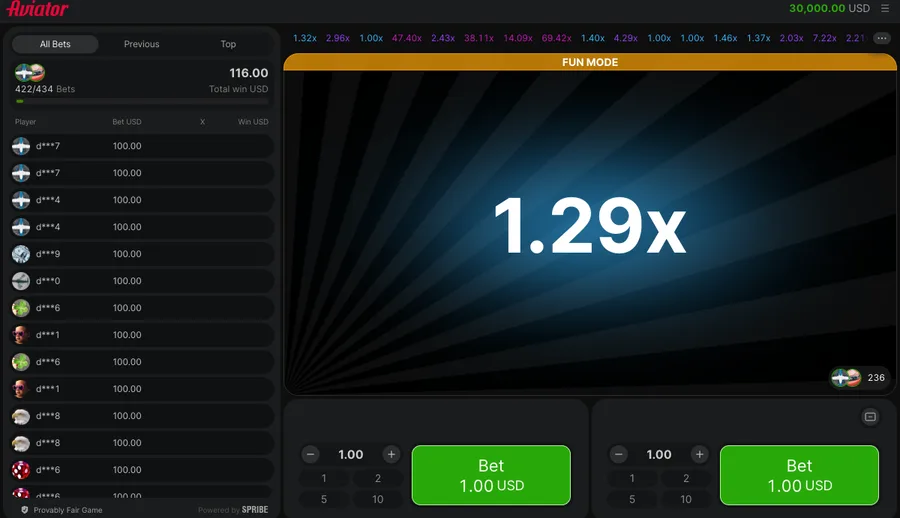
The catch sits in one sentence of the rules: land exactly on the crash multiplier and the round is scored as a loss.
Set the automatic exit in Aviator and learn the tie rule that turns a perfect 1.5x into a lost round.
Open Auto cash out rule for the sourced detail.
| Field | As recorded |
|---|---|
| Type | Guide |
| Published | |
| Last edit | |
| Read it | Auto cash out rule |
Cash-Out Plans
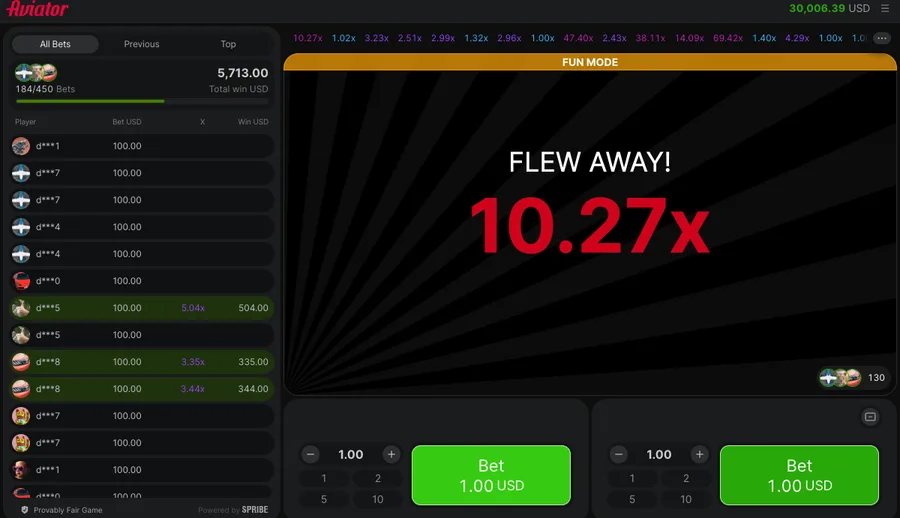
Aviator decides its result before you can place a bet, which rules out every system claiming to read the next round and leaves you two levers: how much you stake, and when you leave. Revised , and kept current by the tips desk.
Why It Earns a Place Here
Why no Aviator system beats the house, what 0.97 divided by your target multiplier really means, and the two levers a player genuinely controls.
The working, the caveats, and the game screenshots stay where they belong.
Cash-Out Plans carries the rest of the argument.
| Field | As recorded |
|---|---|
| Type | Tips |
| Published | |
| Last edit | |
| Read it | Cash-Out Plans |
Round History Panels
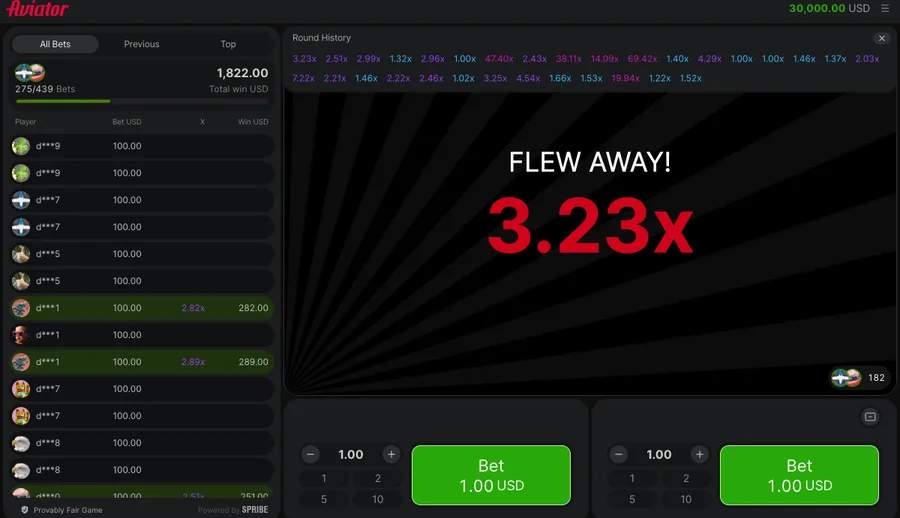
The panels down the left of Aviator and along the top of it hold more numbers than the game itself, and not one of them tells you what the next round will do. Shelved under free demo on , under continuous review.
What the Page Leaves Open
What Aviator's Round History, Live Bets and Top panels really record, plus thirty consecutive results we copied out of Spribe's own client.
Whatever could be sourced from the operator or the game client is sourced there, and the rest is labelled.
Dates, caveats, and screenshots live on Round History Panels.
| Field | As recorded |
|---|---|
| Type | Free demo |
| Published | |
| Last edit | |
| Read it | Round History Panels |
Free Bets and Rain
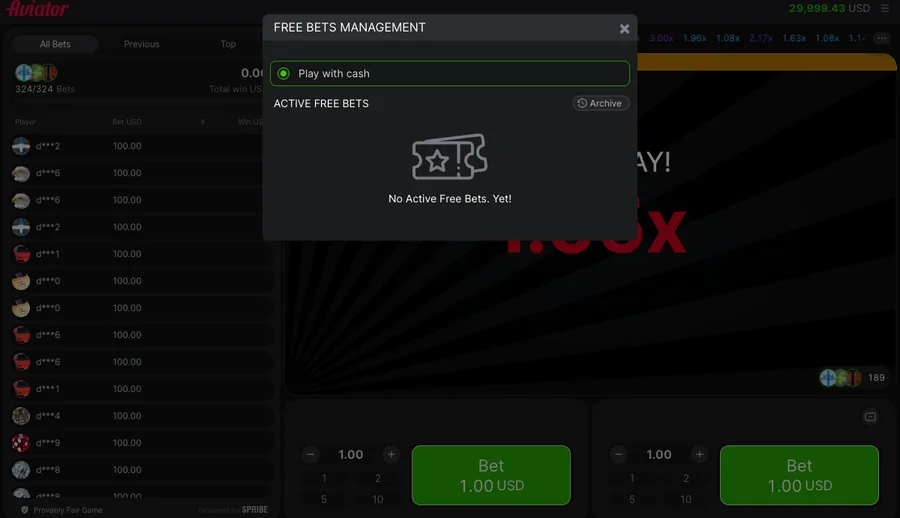
Two sources feed the Free Bets panel, and neither of them is a bonus code. A steps page, last revised in line with its sources.
How It Fits This Section
Spribe's rules put it plainly: free bets are awarded by the operator, or by the Rain Feature.
Where Aviator free bets actually come from, who is allowed to hand one out, and what the official demo gave us across ten logged rounds.
The figures and their registers are on Free bets and Rain.
| Field | As recorded |
|---|---|
| Type | Steps |
| Published | |
| Last edit | |
| Read it | Free bets and Rain |
The documents behind these guides — provider pages, operator terms and regulator registers — are listed with their check dates on the Reference section.