Table of contents
Provably Fair, as Aviator Implements It
Provably fair is a scheme that lets a player recompute a finished round from published seeds instead of taking the result on trust. In Aviator each result comes from a server seed the operator generates and the client seeds of the first three bettors, hashed together with SHA-512.
- Game:
- Aviator (a Spribe crash game)
- Type:
- Crash game
- RTP as published:
- 97% is the only return-to-player figure Spribe publishes, and it appears in exactly one place: the Return to Player (RTP) row on the studio's own game page.
- Max win:
- Not published by the developer.
Where the Round Result Comes From
Four strings decide an Aviator round, and three of them belong to players. The operator generates a server seed, and the hash of the next one is published before play begins. Client seeds from the first three people who bet in that round are bolted on. The game joins all four and runs SHA-512 over the join. The multiplier comes out of the first slice of that hash. Spribe describes the technology as something that "guarantees 100% fairness of game result". That is their sentence rather than ours.
One detail gets lost almost everywhere in the coverage of this game.
The server seed comes from the operator, not from Spribe. That matters for a reader deciding whom to trust. The party holding your stake is also the party holding the secret, though the published hash is what stops that secret being swapped after the fact.
| Feature | Detail |
|---|---|
| Server seed: | generated by the operator, 40 characters long in the rounds we opened |
| Client seeds: | one each from the three earliest bets of the round, 20 characters |
| Join order: | server seed first, then bettor one, bettor two, bettor three |
| Hash: | SHA-512, 128 hexadecimal characters |
| Slice used: | the first 13 characters, read as a 52-bit whole number |
The Three Rounds We Recomputed
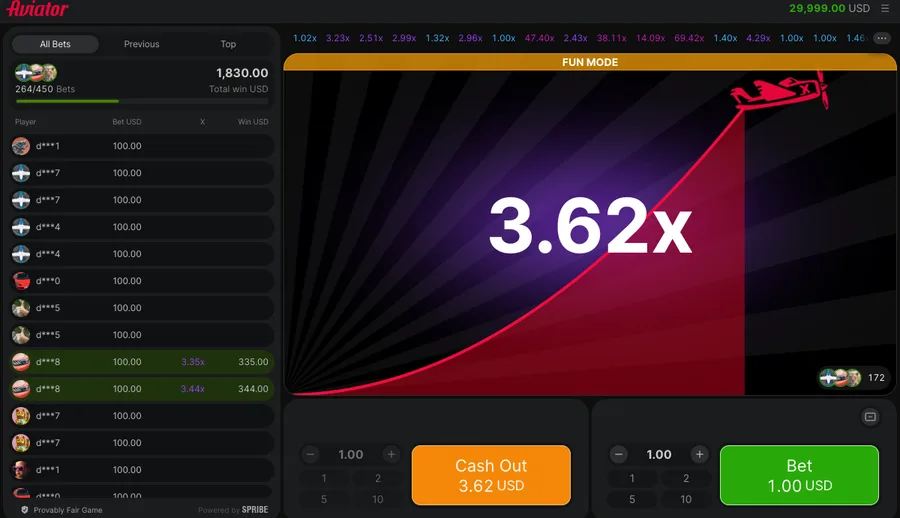
Three rounds went through that chain and all three came out right. We played them in Spribe's official demo on , copied the strings out of the fairness panel by hand, and ran the hash ourselves.
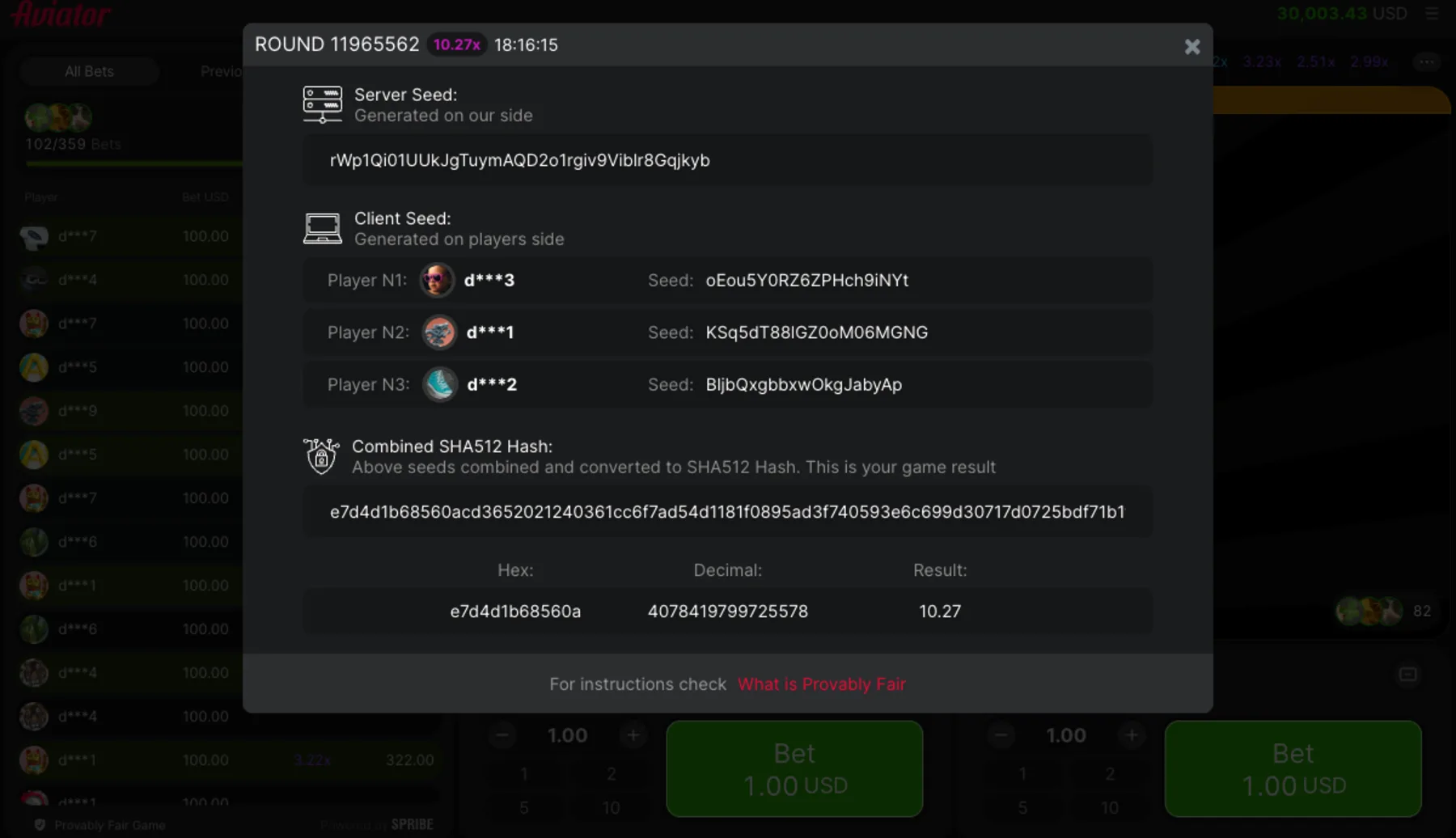
| Round | Result on screen | Result we computed | Reproduced |
|---|---|---|---|
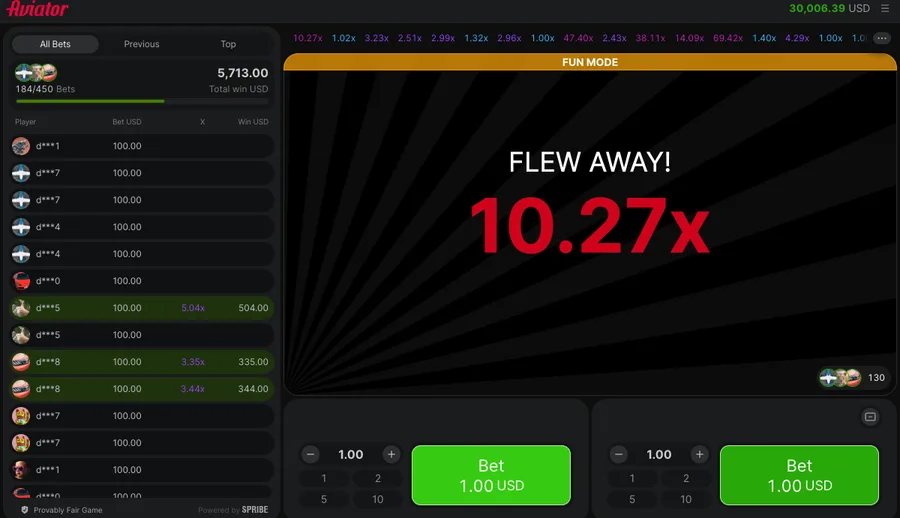
| 11965562 | 10.27x | 10.27x | yes |
| 11965577 | 2.43x | 2.43x | yes |
| 11965609 | 1.64x | 1.64x | yes |
Figures current as of ; the operator's live terms prevail.
Take the first of them. The panel for round 11965562 printed a server seed of rWp1Qi01UUkJgTuymAQD2o1rgiv9Viblr8Gqjkyb, then three client seeds: oEou5Y0RZ6ZPHch9iNYt, KSq5dT88lGZ0oM06MGNG and BljbQxgbbxwOkgJabyAp. Join those four end to end and hash them with SHA-512. The first thirteen characters read e7d4d1b68560a. The panel prints the same thirteen, with their decimal form, 4078419799725578, beside them. Feed that number into floor(97 × 2^52 ÷ (2^52 − 4078419799725578)) ÷ 100 and you get 10.27. That is where the plane went.
That constant of 97 is the same figure Spribe publishes as the return to player. Here it sits inside the arithmetic rather than on a marketing page. The share of rounds reaching any given multiplier falls straight out of it, and we work that through on the page about round odds.
Can You Verify a Round Yourself?
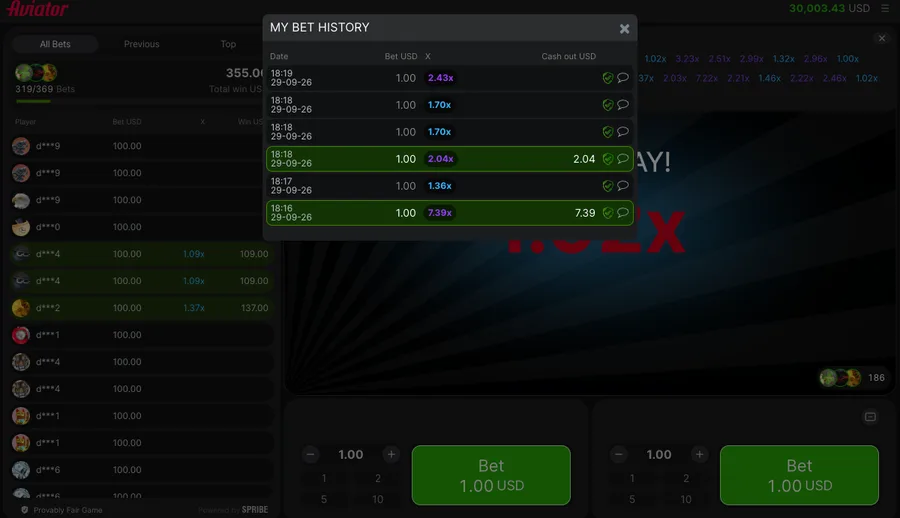
Yes, and it takes about a minute once you know where to click. The fairness panel hides behind a small green icon next to any finished round, either in My Bet History or in the Top tab, and the seeds are selectable text rather than pictures.
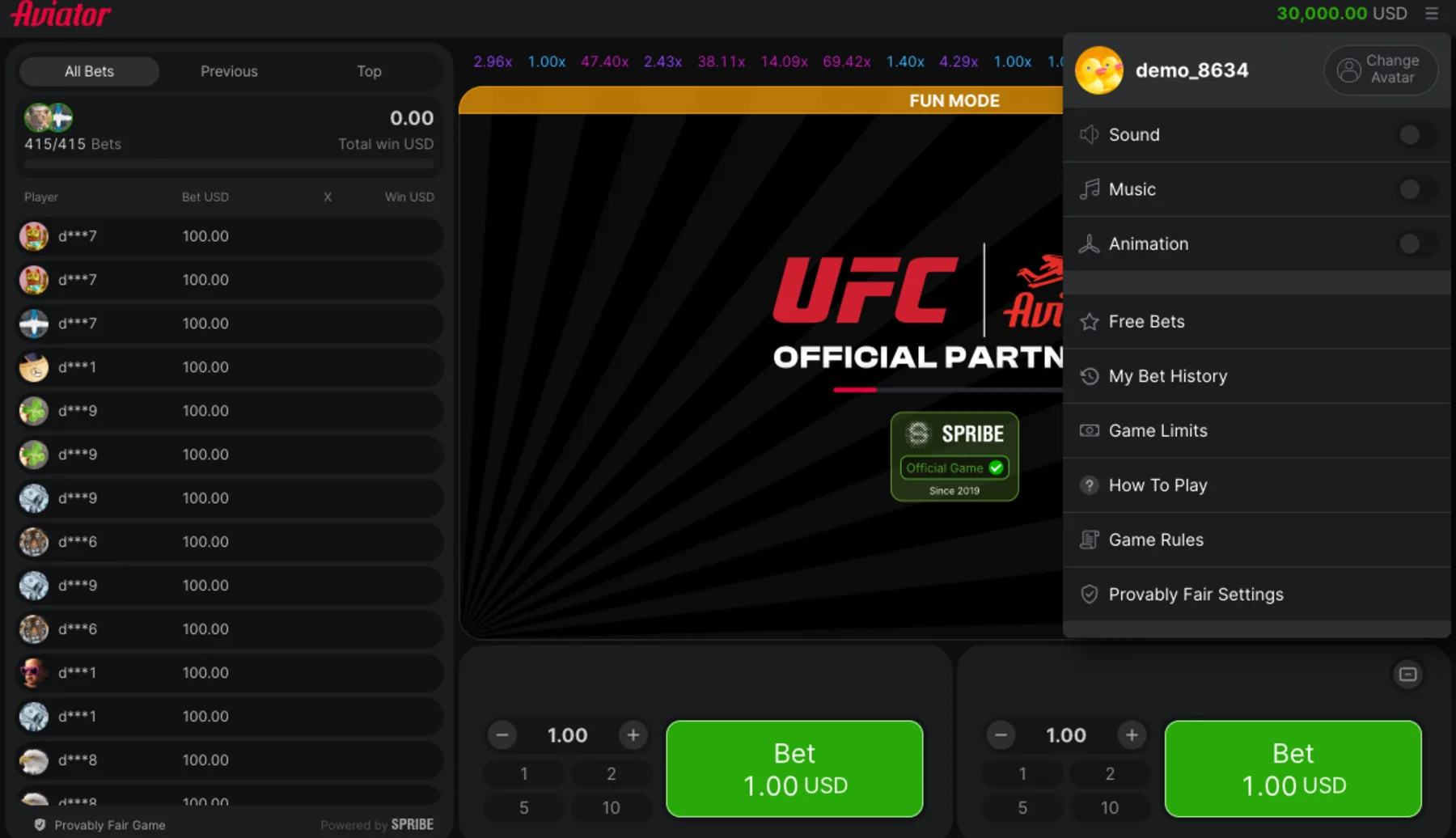
Open the round in the fairness panel and copy the server seed.
Copy the three client seeds in the order the panel lists them.
Paste all four together, with nothing between them, into any SHA-512 tool.
Read the first thirteen characters of the output as a hexadecimal number.
Compare that number with the decimal the panel shows.
The whole check runs on play money in a browser tab, with no account and no download. Compare that with a slot: the studio publishes no seed, so a spin stays unrepeatable by anyone outside it.
The Commitment We Could Not Close
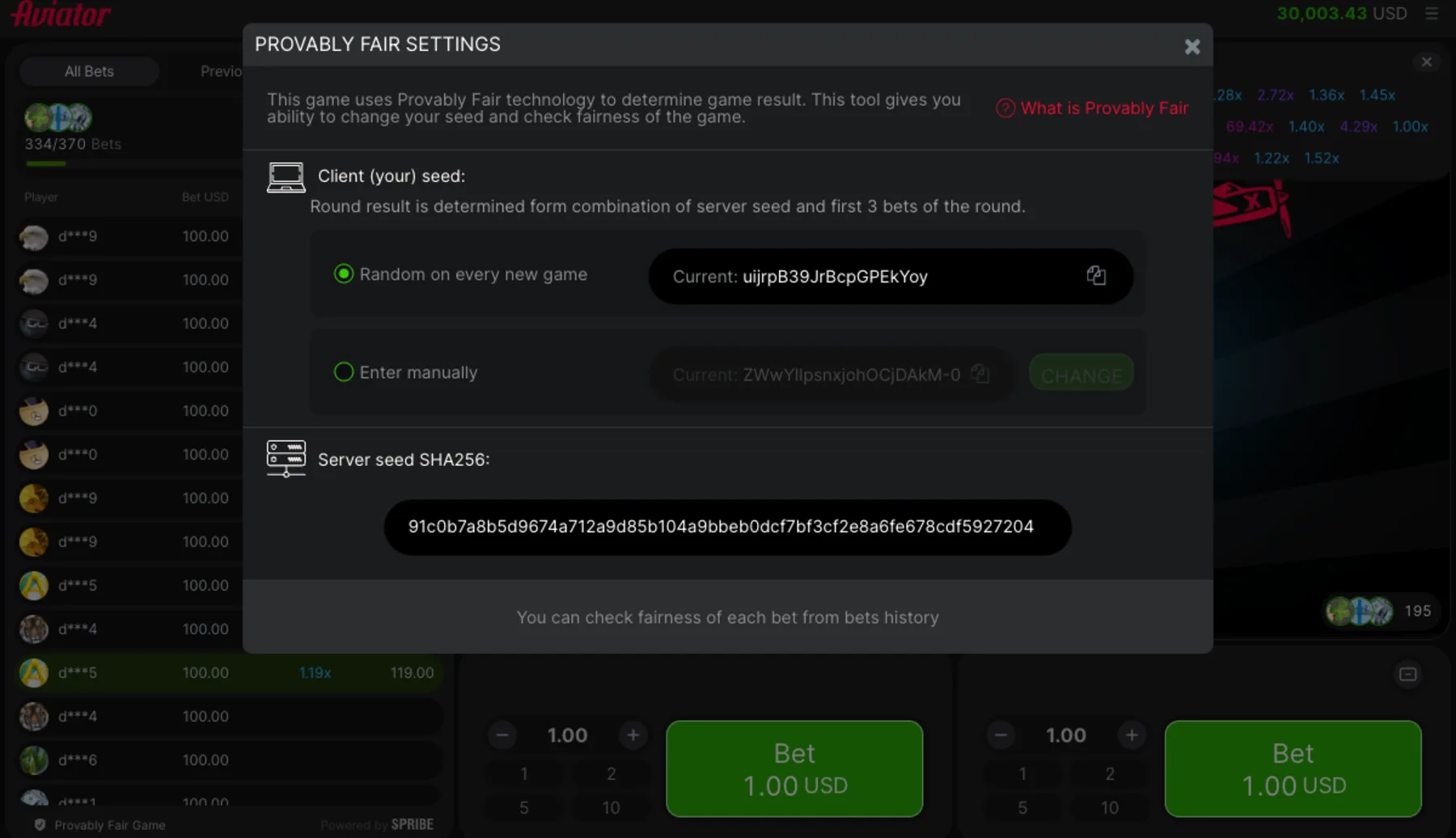
Here the test stops, and saying so is more useful than papering over it. The Provably Fair settings screen publishes a SHA-256 of the next server seed, and the point of that hash is to prove the seed was chosen before anyone bet. We wrote down 91c0b7a8b5d9674a712a9d85b104a9bbeb0dcf7bf3cf2e8a6fe678cdf5927204 at 18:24, watched it rotate to ba9e59b79354ced20320b1882dfc6b0654583d5ee7a06381174632fe735ee26c a few minutes later, and then checked the server seeds that our rounds revealed. None of them hashed to either value.
Why that happened, we genuinely cannot say.
The client documents neither the rotation rule nor which commitment a revealed seed belongs to. Our own timing is at least as likely an explanation as anything else. The honest shape of the result is a split: the step from seeds to multiplier is yours to check in a minute, while the promise that the seed was fixed before play still rests on trust. As far as we can tell, that second half remains unaudited in public.
Room by Room
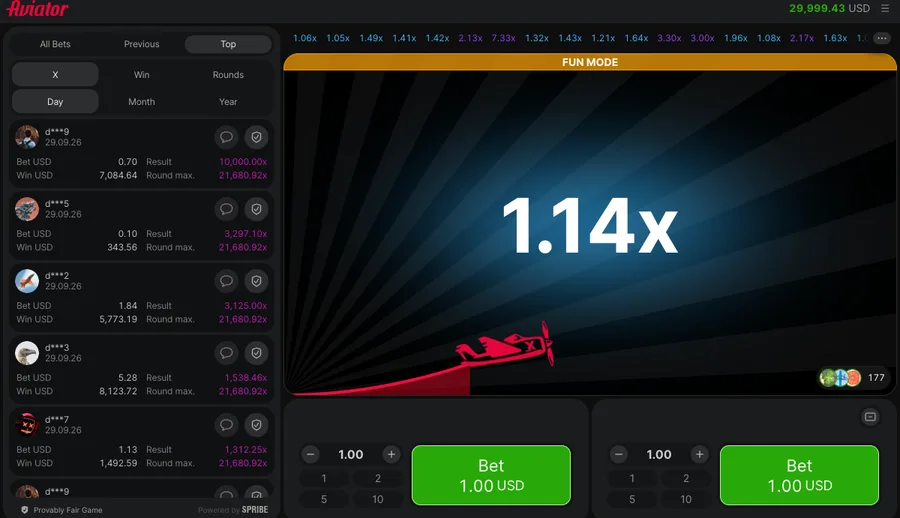
Each game room runs its own seeds, and the client says so plainly: round results are generated independently per room, using its own server and player seed settings. Players get dropped into a room at the start of a session and can move between rooms from the game menu.
The practical consequence is small but worth knowing. A hash you copied in one room has nothing to do with a round you are watching in another, so check the seeds against the round you actually played.
What This Is Worth to a Player
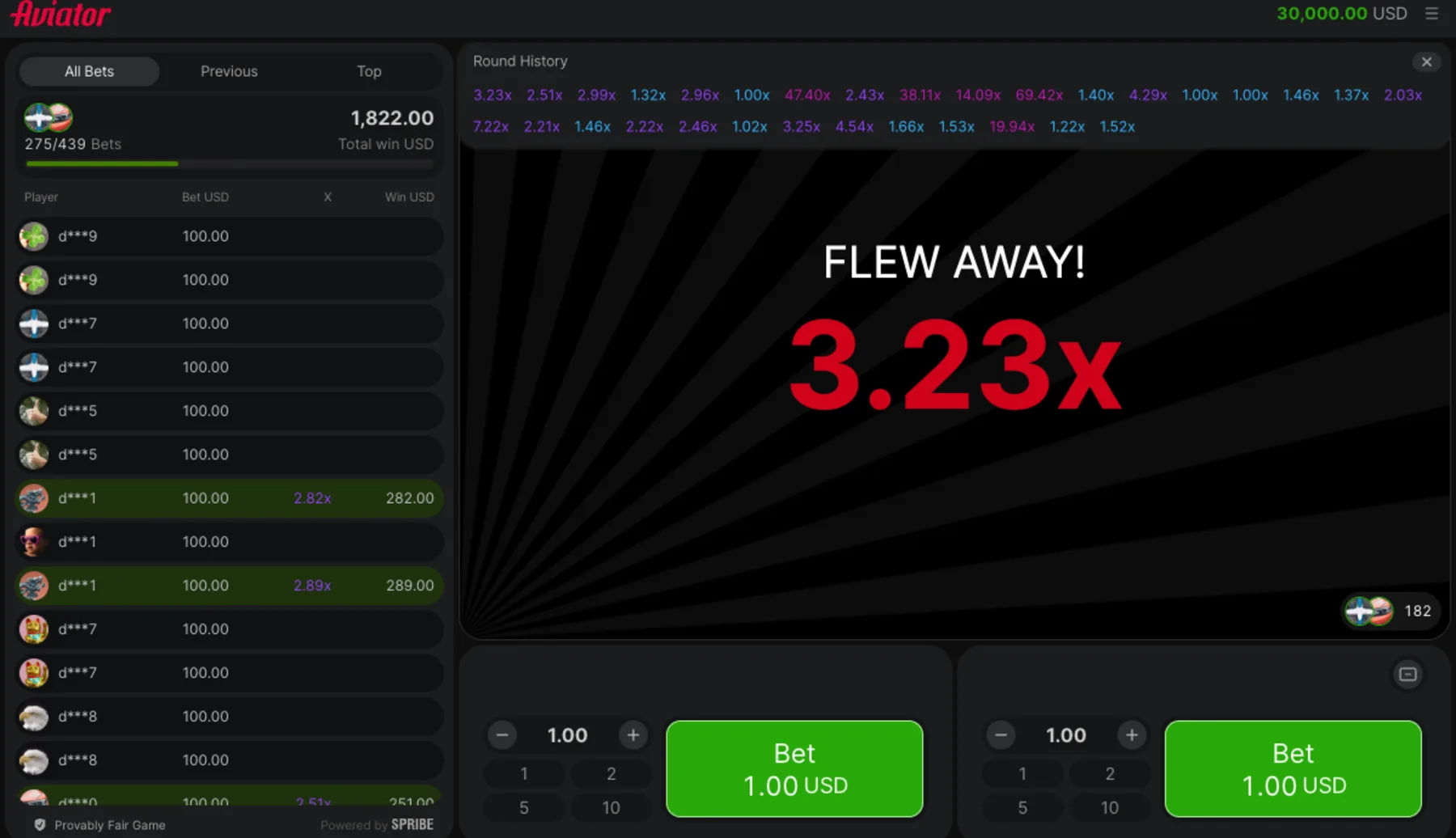
Provable fairness settles one question and leaves the interesting one open. A recomputed round proves that the multiplier on screen followed from the seeds on screen, and it stops short of proving that the server seed was fixed before the bets landed. Closing that second half needs the commitment to match, which ours did not. Generosity is a third question again, and the 0.97 sitting in the formula answers that one. Such a check also speaks for its own round alone, which is the mistake the history strip invites people to make.
We would still rather have this than a certificate. Every laboratory keeps its per-title paperwork private, and the in-game notice that the game is "tested by certified laboratory" skips the laboratory, the number and the date alike. The seeds remain the only part a reader can check alone.